世界模型靠不住:TU Berlin 团队证实 Agent 模拟器误判率高达 95%
论文通过一个直观的例子揭示了这一机制如何瓦解系统的安全性:在一个自动化部署脚本中,包含一段用于清理构建残留的清理逻辑,其指令预设会根据环境变量 GITHUB WORKSPACE 理所当然地存在并指向代码仓库路径;然而在...
AI AgentAI安全
AGI FRONTIER
深度解读 AI 论文,追踪 Agent、推理、多模态与具身智能的最新进展。
PAPER INSIGHTS
论文通过一个直观的例子揭示了这一机制如何瓦解系统的安全性:在一个自动化部署脚本中,包含一段用于清理构建残留的清理逻辑,其指令预设会根据环境变量 GITHUB WORKSPACE 理所当然地存在并指向代码仓库路径;然而在...
针对这一困境,研究团队提出了 EchoPath ——一种模型无关且环境无关的执行级可重放记忆框架。它不再将历史经验作为冗长的 Prompt 上下文喂回大模型,而是将经过终局验证的 GUI 执行轨迹提炼为标准化的“可调用...
然而,来自穆罕默德·本·扎耶德人工智能大学(MBZUAI)的一项最新研究提出了一个极具颠覆性的发现: 攻击者根本不需要诱导模型违背安全规则,也不需要模型在回复中吐出任何敏感词句,仅仅发送一组完全无害的普通提问,就能以极...
为此,研究团队提出了一种全新的系统级防御框架 FlowSeal。它不再指望大模型在同一个对话窗口里“既当裁判又当选手”,而是跳出模型上下文,在工具调用层构筑起基于数据溯源和信息流控制(Information Flow ...
为了全面覆盖机械工程设计流程,CADWorld 系统梳理了机械设计与制造领域的系统知识,构建了涵盖 11 个工作流类别的任务分类学(Taxonomy)。基准包含的 200 个任务覆盖了 183 个具体机械知识点。
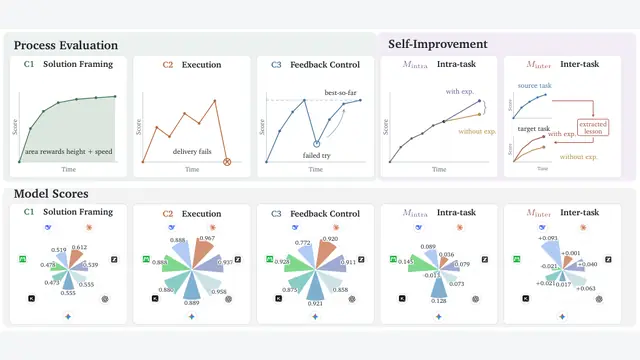
为了搞清楚研发过程中的增益与损失发生在何处,研究团队将 Agent 的研发闭环显式拆解为三大正交的能力维度: 1. 方案构想(Solution Framing, C1) :衡量模型在最开始能否提出合理、有潜力的优化假设。
为了精准刻画并探究这一瓶颈,阿里巴巴集团联合清华大学提出了面向通用移动智能体的高难度基准 GMA(General Mobile Assistants)。这项研究不仅构建了一个包含 7 款深度定制开源应用的多样化 And...
来自 Databricks 与马萨诸塞大学阿默斯特分校(UMass Amherst)的研究团队在最新论文中提出了一个截然不同的视角: 文档在进入检索系统前的表示形式,不应该是一成不变的预处理超参数,而应当被视作可优化的...
来自清华大学、北京大学、华中科技大学、美团、MBZUAI、上海交通大学和香港中文大学等机构的研究团队提出了 AutoDesign 框架。这项工作跳出了“微调底层多模态模型权重”的传统路径,而是引入了 元脚手架优化(Me...
来自耶鲁大学(Yale University)与 Sea12 Technologies 的研究团队在一篇最新论文中提出了基准测试 AlloBench ,首次系统评估了大语言模型在严格资源预算约束下的在线工具投资分配能力。
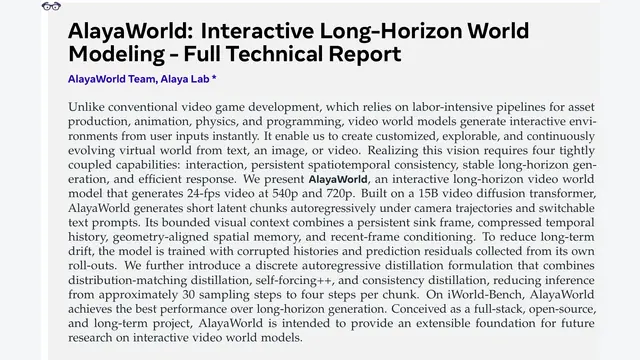
针对这一核心矛盾,Alaya Lab 提出了全栈开源的交互式长程视频世界模型 AlayaWorld 。该模型基于约 15B 参数的视频扩散 Transformer(DiT)骨干,能够在 540p 和 720p 分辨率下...
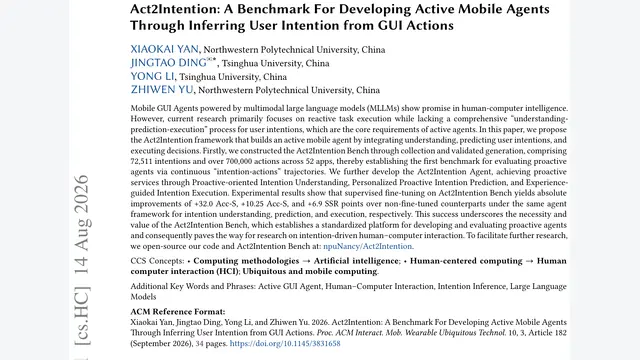
西北工业大学与清华大学的研究团队提出了 Act2Intention 框架,首次系统性地构建了覆盖“意图理解(Understanding) 意图预测(Prediction) 经验执行(Execution)”全链路的主动式...
为了验证这套设计准则在现实世界中的有效性,研究团队将 EffVLA 算法配方原封不动地迁移至低成本开源机械臂 SO-ARM101(6-DOF)上。在完全不改动动作头结构与推理配置的前提下,仅将预训练数据替换为该机械臂的...
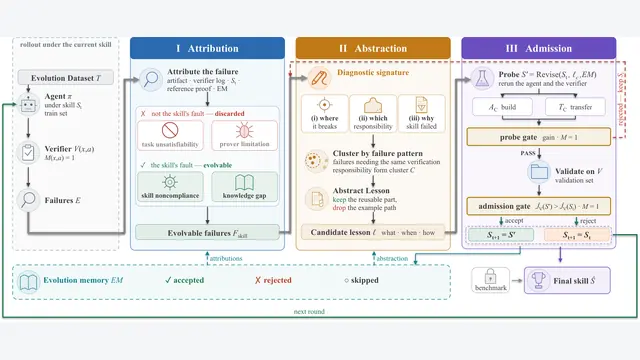
为了破解这一死局,研究团队提出了专门面向程序验证的技能自进化框架 VeriSkill 。它跳出了通用自进化框架“见错就改”的粗放范式,建立了一整套兼顾“归因诊断、抽象泛化与语义保真”的进化闭环:首先在责任归因中剔除环境...
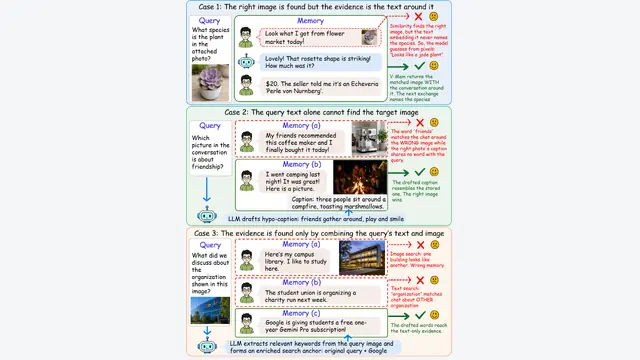
为此,研究团队提出了 V-Mem 。该框架放弃了在统一表征空间硬碰硬的暴力跨模态检索,转而通过轻量化的“模态路由”解耦多模态记忆管理。在极具挑战性的多模态长记忆基准 Mem-Gallery 上,V-Mem 斩获了 0....
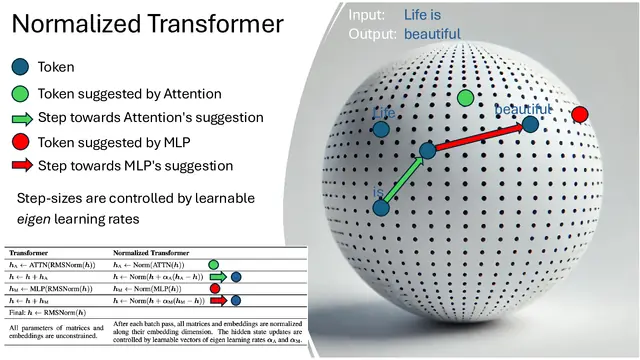
此前提出的归一化 Transformer(normalized Transformer,简称 nGPT)试图从几何根源解决该问题:将模型的所有参数矩阵与激活向量全部约束在单位超球面上,把前向传播直接重构成在超球面流形上...
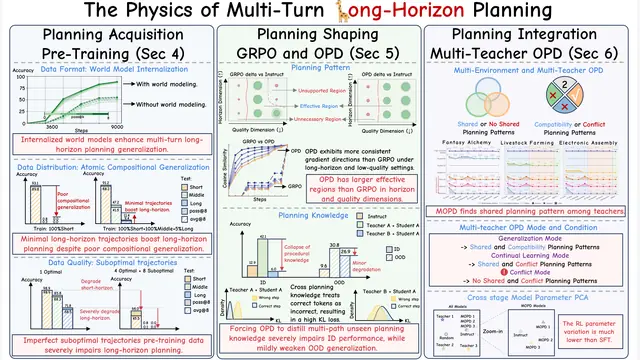
针对这一黑箱困境,中国科学院与中国科学院大学的研究团队提出了系统剖析多轮长程规划“底层物理学”(Physics of Multi-Turn Long-Horizon Planning)的分析框架。
来自伊利诺伊大学厄巴纳-香槟分校(UIUC)的研究团队提出了一种兼具轻量与强悍特性的推理时干预方案: V-Steer 。该方法完全免微调(Training-Free),不修改任何模型参数,仅在 Prefill 阶段针对...
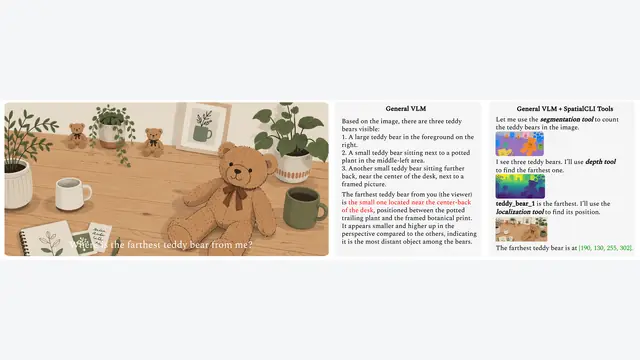
来自浙江大学等机构的研究团队提出了全新的框架 SpatialCLI ,给出了更深远的解决思路: 让模型先学会熟练调用空间感知工具,再通过成功的工具交互轨迹反哺自身,最终将专家的感知与度量能力“内化”为模型自身的原生推理能力。
针对这一困境,来自美团、新加坡国立大学(NUS)、上海交通大学与浙江大学的研究团队提出了一套端到端强化学习框架—— SkillRise 。这项工作摒弃了复杂的外部记忆库与检索中介,仅用 单一策略 在连续递进的任务序列中...
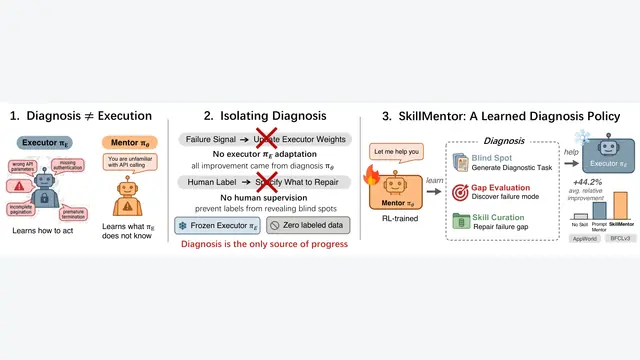
基于此,研究团队提出了 SkillMentor 框架。它通过强化学习训练了一个专门负责把脉问诊的“导师策略”(Mentor Policy),让导师主动生成测试场景来探测执行器的极限,并将发现的反复性失败沉淀为可复用的结...
针对这一系统性内生缺陷,研究团队提出了名为 SEAL (Sealed Exogenous Acceptance Loop,密封外生验收循环)的极简框架,仅凭一个与环境隔离的外部 1-bit(接受/拒绝)验收信号,就在多...
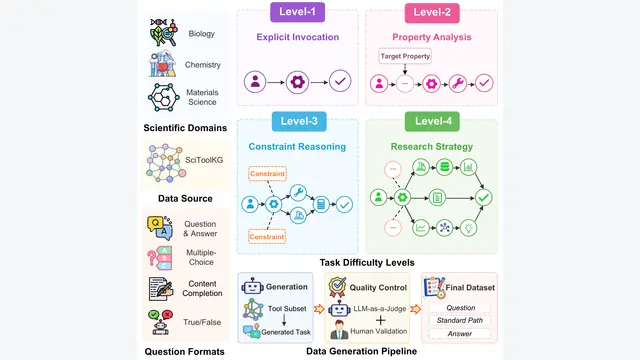
为了攻破这一开放世界瓶颈,最新研究提出了 SciToolAgent-Evo 。这是一个具备本体感知(Ontology-Aware)与自演化能力的科学工具获取智能体框架。
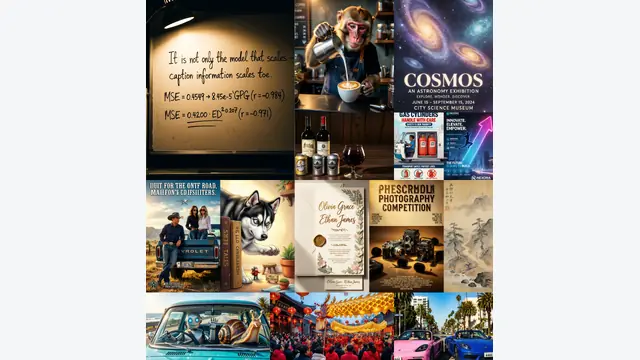
本文提出了一个清晰的双轮驱动框架:生成系统的最终表现,本质上取决于“可扩散性”(Diffusability)与“可提示性”(Promptability)的乘积。所谓的 可扩散性 ,指的是一种文本表示格式在多大程度上能够...